Buy anonymous-surfing.eu ?
We are moving the project
anonymous-surfing.eu .
Are you interested in purchasing the domain
anonymous-surfing.eu ?
domain@kv-gmbh.de · 0541-91531010
Buy anonymous-surfing.eu ?
What is the difference between self-pollination and cross-pollination?
Self-pollination occurs when pollen from the same plant fertilizes the ovules within the same flower or between different flowers on the same plant. This can happen through the transfer of pollen by wind, water, or self-pollinating mechanisms. On the other hand, cross-pollination involves the transfer of pollen from the male reproductive organ of one plant to the female reproductive organ of another plant of the same species. This process promotes genetic diversity and can result in stronger, more resilient offspring. **
What is pollination in flowers?
Pollination in flowers is the process by which pollen from the male reproductive organs (anthers) of a flower is transferred to the female reproductive organs (stigma) of the same or another flower, leading to fertilization and the production of seeds. This transfer of pollen can occur through various means, including wind, water, and animals such as bees, butterflies, and birds. Pollination is essential for the reproduction of flowering plants and the production of fruits and seeds. **

Similar search terms for Pollination
Top-Angebote
Products related to Pollination:




-
How does pollination occur in insects?
Pollination in insects occurs when they visit flowers in search of nectar or pollen. As they feed, they inadvertently brush against the reproductive parts of the flower, picking up pollen grains. When the insect moves to another flower of the same species, some of this pollen is transferred to the stigma, fertilizing the flower. This process allows for the successful reproduction of many plant species with the help of insect pollinators. **
-
What forms of pollination exist in primroses?
Primroses exhibit both self-pollination and cross-pollination. Self-pollination occurs when the plant's own pollen fertilizes its own ovules, leading to genetic uniformity. Cross-pollination, on the other hand, involves the transfer of pollen from one plant to another, promoting genetic diversity. Primroses can be pollinated by insects, such as bees and butterflies, as well as by wind. **
-
How does the pollination of insects occur?
Insect pollination occurs when insects, such as bees, butterflies, and beetles, visit flowers in search of nectar or pollen. As they move from flower to flower, they inadvertently transfer pollen from the male reproductive parts of one flower to the female reproductive parts of another. This transfer of pollen allows for fertilization and the production of seeds and fruits. Insects are attracted to flowers by their colors, scents, and nectar, and in the process of feeding, they facilitate the crucial process of pollination. **
-
What terms exist for external and internal pollination?
External pollination occurs when pollen is transferred between flowers by an external agent, such as wind, water, or animals. Internal pollination, on the other hand, occurs when pollen is transferred within the same flower or between flowers of the same plant. Both types of pollination are essential for the reproduction of many plant species. **


Do grapes only grow with pollination by bees?
No, grapes do not require pollination by bees to grow. Grapes are self-pollinating plants, meaning they have both male and female reproductive parts within the same flower, allowing them to pollinate themselves. While bees can help with pollination and increase grape yields, they are not necessary for grape production. **
How long does the poplar pollination period last?
The poplar pollination period typically lasts for about 1-2 weeks. During this time, the male poplar trees release pollen into the air, which is then carried by the wind to the female trees for fertilization. This period usually occurs in the spring, and the exact timing can vary depending on the specific species of poplar and local environmental conditions. **
Top-Angebote
Products related to Pollination:
-
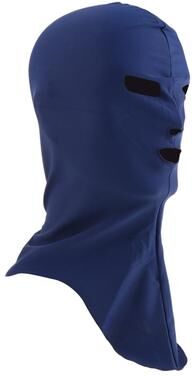
Shop Station Full Face Swimming Mask With Jellyfish Protection For Snorkeling, Surfing & Open Water Adventures navyEscape the sun and sea with confidence using this UPF 50+ swim mask designed for swimmers, snorkelers, surfers, and beach lovers. This lightweight fullface swim hood provides reliable coverage for your face, head, and neck while helping reduce...34,97 $*Shipping: 0,00 $Secure redirect to the provider
-
StarTech.com 14-inch 16:9 Laptop Privacy Screen, Reversible Gold Filter w/Enhanced Privacy, Computer Security Filter, Removable Screen Protector/ShielPrevent visual eavesdropping by limiting the viewing angle of your laptop screenThis Laptop Privacy Screen features a universal design compatible with 14-inch laptop screens with a 16:9 aspect ratio display. Gold Privacy Filters have a reflective surface that instantly transitions from a clear view to a mirror effect outside of the intended viewing angle, significantly improving visual privacy when working in an office or public environment.Prevent Visual EavesdroppingThe gold security filter is a convenient solution that features a quick shift to a mirror-like effect to protect confidential data from unwanted viewers while maintaining a clear view of 60 degrees (+/- 30 degrees from the center) for the user.Reversible FilterThe privacy filter's removable and reversible design allows users to effortlessly switch between a glossy gold side for maximum privacy and an anti-glare matte side for environments prone to glare. The matte side provides additional screen protection with a scratch- and fingerprint-resistant coating.Hassle-free InstallationThe universal design won't interfere with top-mounted webcams, sensors, or when closing the lid. The privacy filter can be installed in two different ways. Affix the privacy shield to bezel-less displays using the transparent and residue-free adhesive strips. Alternatively, use the slide mount tabs to install the privacy screen on displays with bezels. The latter is recommended when frequent reversal or removal is required.Blue Light ReductionReduce eye strain and improve visual comfort with this blue light-reducing privacy shield. It blocks 40% - 51% of the blue light emitted from the display in the 380nm - 480nm wavelength range. Digital eye strain can lead to symptoms like headaches, dry eyes, and blurred vision.The StarTech.com Advantage48,99 £*Shipping: 0,00 £Secure redirect to the provider
-
What is the difference between self-pollination and cross-pollination?
Self-pollination occurs when pollen from the same plant fertilizes the ovules within the same flower or between different flowers on the same plant. This can happen through the transfer of pollen by wind, water, or self-pollinating mechanisms. On the other hand, cross-pollination involves the transfer of pollen from the male reproductive organ of one plant to the female reproductive organ of another plant of the same species. This process promotes genetic diversity and can result in stronger, more resilient offspring. **
-
What is pollination in flowers?
Pollination in flowers is the process by which pollen from the male reproductive organs (anthers) of a flower is transferred to the female reproductive organs (stigma) of the same or another flower, leading to fertilization and the production of seeds. This transfer of pollen can occur through various means, including wind, water, and animals such as bees, butterflies, and birds. Pollination is essential for the reproduction of flowering plants and the production of fruits and seeds. **
-
How does pollination occur in insects?
Pollination in insects occurs when they visit flowers in search of nectar or pollen. As they feed, they inadvertently brush against the reproductive parts of the flower, picking up pollen grains. When the insect moves to another flower of the same species, some of this pollen is transferred to the stigma, fertilizing the flower. This process allows for the successful reproduction of many plant species with the help of insect pollinators. **
-
What forms of pollination exist in primroses?
Primroses exhibit both self-pollination and cross-pollination. Self-pollination occurs when the plant's own pollen fertilizes its own ovules, leading to genetic uniformity. Cross-pollination, on the other hand, involves the transfer of pollen from one plant to another, promoting genetic diversity. Primroses can be pollinated by insects, such as bees and butterflies, as well as by wind. **
Similar search terms for Pollination
-
How does the pollination of insects occur?
Insect pollination occurs when insects, such as bees, butterflies, and beetles, visit flowers in search of nectar or pollen. As they move from flower to flower, they inadvertently transfer pollen from the male reproductive parts of one flower to the female reproductive parts of another. This transfer of pollen allows for fertilization and the production of seeds and fruits. Insects are attracted to flowers by their colors, scents, and nectar, and in the process of feeding, they facilitate the crucial process of pollination. **
-
What terms exist for external and internal pollination?
External pollination occurs when pollen is transferred between flowers by an external agent, such as wind, water, or animals. Internal pollination, on the other hand, occurs when pollen is transferred within the same flower or between flowers of the same plant. Both types of pollination are essential for the reproduction of many plant species. **
-
Do grapes only grow with pollination by bees?
No, grapes do not require pollination by bees to grow. Grapes are self-pollinating plants, meaning they have both male and female reproductive parts within the same flower, allowing them to pollinate themselves. While bees can help with pollination and increase grape yields, they are not necessary for grape production. **
-
How long does the poplar pollination period last?
The poplar pollination period typically lasts for about 1-2 weeks. During this time, the male poplar trees release pollen into the air, which is then carried by the wind to the female trees for fertilization. This period usually occurs in the spring, and the exact timing can vary depending on the specific species of poplar and local environmental conditions. **
* All prices are inclusive of VAT and, if applicable, plus shipping costs. The offer information is based on the details provided by the respective shop and is updated through automated processes. Real-time updates do not occur, so deviations can occur in individual cases. ** Note: Parts of this content were created by AI.